


The journey into early education can feel like navigating a complex map without a compass, especially for international families. You're faced with a world of options—nursery, preschool, kindergarten—and endless questions. Is my child emotionally ready? How can I find a truly nurturing and safe environment where they will be understood and cherished? This momentous decision is about more than just academics; it’s about discovering an environment of excellence where your child will blossom socially, emotionally, and intellectually. A high-quality kindergarten experience lays the foundation for a lifetime of confident, joyful learning, but identifying that perfect fit can feel overwhelming.
This is why we've created this complete guide. We're here to replace your uncertainty with confidence. In the following sections, you will gain a clear understanding of what defines a premier kindergarten program in today's world. We will equip you with the knowledge to evaluate different schools and provide a practical, actionable checklist to guide your search. Our goal is to empower you to find a welcoming, high-quality international community that feels like home—for both your child and your family—ensuring they receive the best possible start to their educational journey.
Key Takeaways
- Discover how modern programs build a strong foundation for your child's future by focusing on holistic social, emotional, and academic development.
- Understand the long-term benefits of a high-quality kindergarten, including the development of crucial soft skills and the unique advantages of a multicultural learning environment.
- Equip yourself with a practical checklist of essential questions to ask during school tours, ensuring you can confidently evaluate any program.
- Learn to identify the key developmental milestones that signal your child's readiness, moving beyond age-based assumptions for a more confident transition.
Table of Contents
- Understanding the Modern Kindergarten: More Than Just Play
- The Core Benefits of a High-Quality Kindergarten Education
- How to Choose the Right Kindergarten: A Parent's Checklist
- The International Kindergarten Experience: A World of Opportunities
- Is Your Child Ready for Kindergarten? Key Milestones to Consider
Understanding the Modern Kindergarten: More Than Just Play
Choosing the right kindergarten is a monumental first step in your child's formal education journey. Far from being a simple daycare or playgroup, a modern kindergarten is a sophisticated learning environment meticulously designed for a child's holistic development. It focuses on nurturing social, emotional, and cognitive skills in equal measure, preparing children aged 3 to 6 for the transition to primary school. This educational stage is built on a structured, play-based curriculum that fosters curiosity, creativity, and a lifelong love of learning. While the history and philosophy of kindergarten has evolved, its core mission to cultivate well-rounded, confident individuals remains paramount.
Kindergarten vs. Nursery vs. Preschool: What's the Difference?
Navigating early childhood education terminology can be confusing. While these terms are sometimes used interchangeably, they typically represent distinct stages in a child’s development in an international setting like Budapest:
- Nursery: Primarily offers professional care for the youngest children, typically from 1.5 to 3 years old. The focus is on a safe, loving environment, basic socialisation, and routine.
- Preschool: Often serves as a bridge for children aged 2.5 to 4, introducing more structured activities and foundational academic concepts in a playful manner.
- Kindergarten: Provides a comprehensive, curriculum-based program for children aged 3 to 6, with a clear focus on developing the academic, social, and emotional skills required for school readiness.
The Philosophy of Play-Based Learning
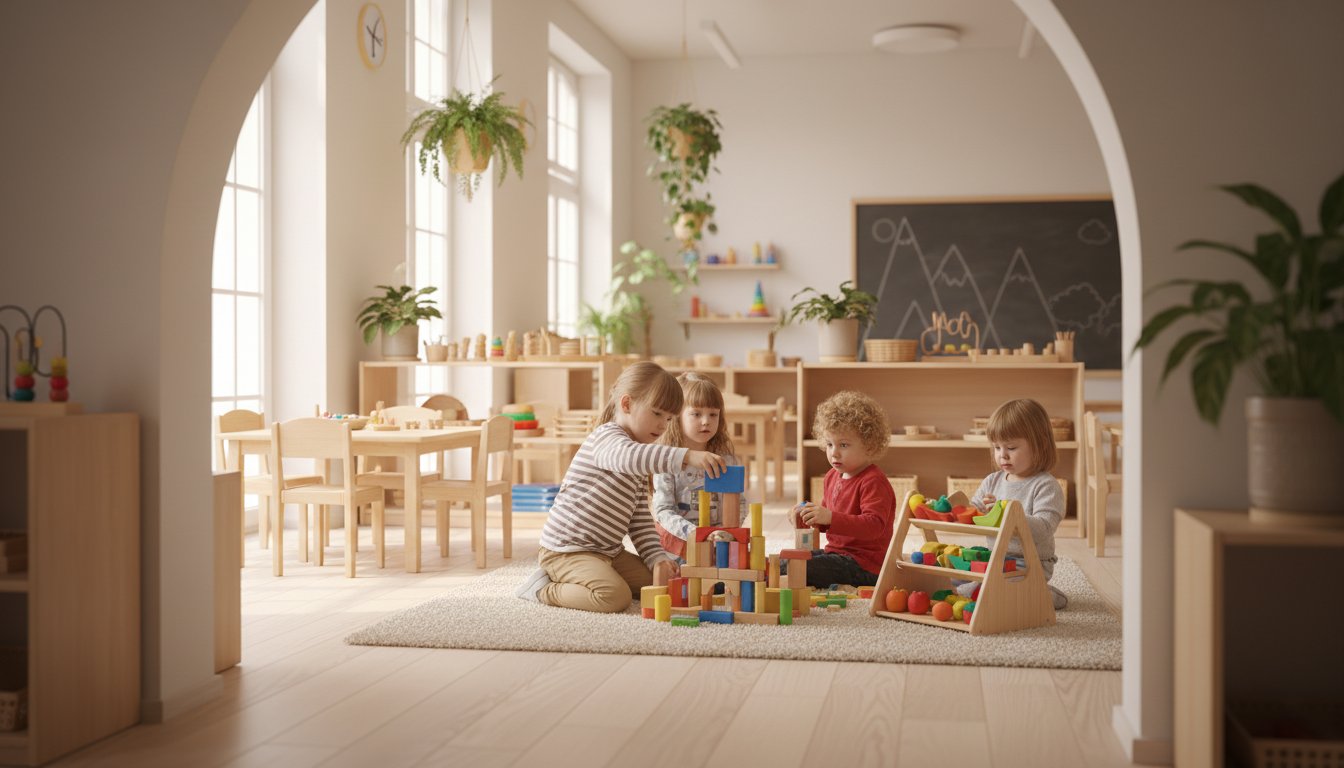
At the heart of a premier kindergarten is the philosophy of play-based learning. This is not unstructured free time; it is a powerful pedagogical approach where learning is an joyful and engaging experience. Through guided play, children naturally develop critical thinking and problem-solving skills as they build with blocks, negotiate roles in a game, or experiment with art supplies. Educators purposefully design activities to introduce foundational concepts in literacy, numeracy, and science in a way that feels like discovery, not instruction.
A Typical Day: Structure, Routine, and Activities
Routine is essential for young children, creating a sense of security that allows them to thrive. A well-structured day in kindergarten balances various activities to support holistic growth. A typical schedule might include:
- Circle Time: A group activity to start the day, focusing on sharing, singing, and discussing the day's theme.
- Creative Arts & Exploration: Time for individual expression through painting, drawing, or sensory tables.
- Outdoor Play: Crucial for physical development, social interaction, and connecting with nature.
- Story Time & Quiet Time: A calming period for rest, listening, and developing language comprehension.
This rhythm ensures a predictable yet stimulating environment where children learn, play, and grow with confidence.
The Core Benefits of a High-Quality Kindergarten Education
Choosing a kindergarten is one of the first major educational decisions a parent makes, and its impact extends far beyond early academics. It is an investment in your child's future wellbeing and success. A high-quality early education programme provides a nurturing environment where children develop the crucial 'soft skills'—resilience, curiosity, and collaboration—that form the bedrock of a fulfilling life. The work of Nobel laureate economist James Heckman, for instance, shows that high-quality early childhood education delivers remarkable long-term value, fostering better outcomes in education, health, and social skills throughout life.
Social and Emotional Development
In a structured, caring group setting, children embark on their first journey into a wider social world. This is where they learn to navigate relationships and build emotional intelligence. In this supportive environment, children learn to:
- Share, cooperate, and resolve conflicts with their peers.
- Develop empathy by understanding others’ feelings and perspectives.
- Build self-confidence and independence away from the family home.
- Manage their emotions and follow classroom routines, skills vital for future learning.
Cognitive Growth and School Readiness
A premier kindergarten environment ignites a child’s natural curiosity and transforms it into a lifelong love of learning. Rather than focusing on rote memorisation, an excellent curriculum introduces foundational literacy and numeracy concepts through joyful, play-based activities. Children are encouraged to ask questions, experiment, and find solutions, thereby developing the critical thinking and problem-solving skills that ensure a smooth and confident transition to primary school.
Fostering Creativity and Physical Skills
Holistic development means nurturing a child’s body and imagination just as much as their mind. A dynamic programme provides rich opportunities for self-expression through art, music, and dramatic play. Simultaneously, physical development is expertly guided. Fine motor skills are refined through activities like drawing, cutting, and building with blocks, while gross motor skills are enhanced through energetic outdoor play, dance, and coordinated group games.
DownloadFeedback & RecreateDelete

How to Choose the Right Kindergarten: A Parent's Checklist
Visiting a potential kindergarten is more than just a tour; it's a vital investigation into your child's future learning environment. A school’s website and brochure present the ideal, but an in-person visit reveals the day-to-day reality. Use this checklist to guide your observations and questions, empowering you to look beyond the marketing and find a professional, caring community where your child will truly thrive.
Curriculum and Educational Philosophy
Understanding how a school approaches education is fundamental, as a clear philosophy shapes every aspect of the day. Ask pointed questions to ensure their values align with your family's.
- What is your core educational philosophy? Is it play-based, Montessori, or a unique blend? Ask for specific examples of how this philosophy translates into daily activities.
- What is the primary language of instruction? For international families, inquire how the school supports children learning English or growing up in a multilingual home.
- How do you track and communicate a child’s development? Look for a commitment to regular, meaningful communication, such as parent-teacher meetings, progress reports, and informal daily updates.
Teachers, Staff, and Class Ratios
The heart of any great kindergarten is its people. Qualified, caring educators create the nurturing atmosphere essential for early childhood development. Pay close attention to the human element during your visit.
- What are the qualifications and experience of your lead teachers? Inquire about ongoing professional development, first-aid training, and staff longevity.
- What is the teacher-to-student ratio in the classroom? Lower ratios are a hallmark of premium care, ensuring more individual attention for each child.
- Observe the interactions. Do staff members seem engaged, patient, and joyful? Notice how they speak to the children—with respect, warmth, and encouragement.
The Learning Environment and Facilities
A child’s physical surroundings play a crucial role in their safety, engagement, and happiness. The ideal space is clean, secure, and thoughtfully designed to inspire curiosity and joyful exploration.
- How do you ensure the facility is safe and secure? Look for secure entrances, well-maintained classrooms, and clear safety protocols.
- What kinds of learning materials are available? A quality environment offers a rich variety of age-appropriate books, toys, and creative supplies that are easily accessible to children.
- Can we see the outdoor play area? Evaluate its safety features, size, and the range of equipment available for gross motor skill development.
A well-resourced and thoughtfully designed space is a non-negotiable indicator of a high-quality program. See how Happy Kids creates an environment of excellence.
The International Kindergarten Experience: A World of Opportunities
For expat and internationally-minded families, choosing a kindergarten in Budapest is about finding more than just a school; it's about discovering a second home. An international environment provides a unique foundation for children, preparing them not just for primary school, but for life in an interconnected world. It’s an investment in a global perspective, cultural fluency, and effortless bilingualism, all within a nurturing and supportive setting.
The Advantage of a Multicultural Classroom
Imagine a classroom where your child’s best friends come from all corners of the globe. This is the daily reality in a multicultural setting. Children learn organically to appreciate diversity, developing empathy and an open-mindedness that will serve them for a lifetime. At Happy Kids, with over 20 nationalities represented, we celebrate this diversity through:
- International Day: A vibrant celebration of the cultures, foods, and traditions that make up our community.
- Global Stories and Songs: Weaving different cultural narratives into our daily curriculum.
- Shared Festivals: Learning about and enjoying celebrations from around the world together.
English Language Immersion for Early Learners
Early childhood is the optimal window for language acquisition. An English immersion program allows children to absorb a new language naturally and without pressure, just as they learned their mother tongue. This approach has profound cognitive benefits, enhancing problem-solving skills and creativity. We understand that many children arrive with no prior English, which is why our caring, experienced teachers create a loving, playful, and supportive atmosphere where every child feels confident to communicate and thrive.
Building a Global Community for Families
Moving to a new city can be challenging, but an international school community provides an instant support network. It’s a place to connect with other families who share similar experiences, challenges, and joys. At Happy Kids, we foster this sense of belonging through regular family events like our Summer Fair, Charity Drives, and seasonal celebrations. These gatherings are more than just fun; they are the moments where friendships are formed and a true community is built, making your transition to life in Budapest seamless and enriching.
This commitment to fostering a caring, multicultural, and high-quality educational environment is at the heart of our mission. We believe this unique international experience provides an unparalleled start for your child. To see our global community in action, we invite you to learn more about the Happy Kids philosophy.
Is Your Child Ready for Kindergarten? Key Milestones to Consider
One of the most common questions we hear from parents is, "How do I know if my child is truly ready?" It's a natural concern, but the answer has less to do with a specific age and more to do with developmental readiness. Starting kindergarten is a significant milestone, and children develop at their own unique pace. Instead of a checklist, think of the following as gentle guideposts to observe in your child.
Social and Emotional Readiness Signs
A child's ability to navigate social situations and manage their emotions is a key indicator of readiness. These skills form the foundation for learning and making friends in a group setting. Look for developing abilities in these areas:
- Separation Confidence: Can your child separate from you for a short period without excessive distress? This shows a growing sense of security and independence.
- Peer Interest: Do they show curiosity about other children? This can range from watching them play to engaging in parallel play (playing alongside them) or cooperative play.
- Following Instructions: Are they able to follow simple, two-step directions, such as "Please get your shoes and put them by the door"?
Communication and Self-Care Skills
Fostering independence in daily tasks empowers children and gives them the confidence to thrive in a new environment. While mastery is not expected, progress in these areas is a positive sign:
- Expressing Needs: Can they communicate basic wants and needs, either verbally ("I'm thirsty") or through gestures?
- Basic Hygiene: Are they mostly potty-trained and can they manage simple tasks like washing their hands with guidance?
- Self-Help Abilities: Can they attempt simple tasks like putting on a coat, opening a lunchbox, or tidying up their toys?
How to Prepare Your Child (and Yourself!)
The transition to school is a journey for the whole family. Creating a positive and predictable framework at home can make all the difference in ensuring a smooth and joyful start.
- Talk Positively: Read stories about starting school and talk excitedly about the new friends, teachers, and fun activities they will experience.
- Visit Together: Familiarity breeds comfort. Arrange a visit to the campus to see the vibrant classrooms and play areas. We welcome families to schedule a tour to experience our community first-hand.
- Establish Routines: Consistent morning and evening routines provide a sense of security and predictability during a time of change.
- Trust the Professionals: Remember that you are not alone. Our experienced and caring educators are your partners, skilled in guiding children through this important transition with patience and professional care.
Your Child's Journey to Excellence Starts Today
Choosing the right kindergarten is one of the most impactful decisions for your child's future. This guide has shown that a high-quality program is far more than just play; it's a foundational experience that nurtures curiosity, builds critical social skills, and ignites a lifelong love of learning. By evaluating your child's readiness and understanding the key elements of a superior educational environment, you are fully equipped to make a confident and informed choice.
At Happy Kids, we provide a true environment of excellence where this crucial journey can begin. We foster a vibrant, multicultural community with children from over 20 nationalities learning and growing together. Our commitment to a low teacher-to-student ratio ensures your child receives the personalized attention they need to thrive, all within a secure, loving environment nestled in the green belt of Buda.
We invite you to see the difference for yourself. Book a tour to experience the Happy Kids environment for yourself. Take the first step in giving your child a world of opportunities and a joyful start to their educational adventure.
Frequently Asked Questions About Choosing a Kindergarten
What is the ideal teacher-to-student ratio in a kindergarten?
The ideal ratio ensures each child receives personalised attention in a secure and nurturing learning environment. In a high-quality international kindergarten, look for ratios around 1:6 for younger children (ages 2-3) and no more than 1:8 for older groups (ages 4-6). This low ratio is a hallmark of excellence, allowing educators to tailor activities to individual developmental needs and build strong, trusting relationships with every child in their care.
How do high-quality kindergartens handle discipline and conflict resolution?
Premier kindergartens employ a positive guidance approach, viewing discipline as a teaching opportunity rather than punishment. Educators model respectful communication and help children identify their feelings and find appropriate ways to express them. Techniques like guided conversations empower children to resolve conflicts collaboratively, building crucial social-emotional skills like empathy and problem-solving in a caring, supportive community where every child feels heard and respected.
My child has food allergies or special needs. How are these managed?
Reputable institutions have robust and transparent protocols for managing allergies and special needs. This begins with a detailed intake process where parents share all relevant medical and dietary information. Professional kitchens should have strict cross-contamination procedures, and all staff must be trained in emergency responses. A dedicated school nurse and clear communication channels with parents are essential to ensure a safe, inclusive, and supportive environment for every child.
What are the benefits of a full-day program versus a half-day program?
A full-day program offers a more immersive and comprehensive educational experience. It allows for a relaxed, unhurried daily rhythm that includes deeper project-based learning, ample outdoor play, and a dedicated rest period. Children have more time to build strong social bonds and can participate in a wider range of specialist activities, such as music, robotics, or languages. This consistent, enriched routine provides a strong foundation for the transition to primary school.
How can parents get involved in the kindergarten community?
Leading international kindergartens foster a vibrant, multicultural community and view parents as essential partners. Involvement opportunities are plentiful, from joining a Parent-Teacher Association (PTA) to volunteering for special events like International Day or seasonal festivals. Many schools also host parent workshops, coffee mornings, and use dedicated communication apps to share daily updates and photos, ensuring families feel connected and integral to their child's educational journey.
What should my child bring with them to kindergarten each day?
Each school provides a specific list, but essentials typically include a backpack with a complete, clearly labelled change of clothes. Weather-appropriate outdoor gear is crucial—think rain boots and a waterproof jacket for wet days, or a sun hat and sunscreen for summer. For indoor comfort, a pair of soft-soled slippers or indoor shoes is usually required. It is also wise to pack any necessary comfort items, like a favourite stuffed animal for nap time.